Filter
51
Topics
Journalists: Professional Identity & Values
45
Editorial Independence
44
Journalism Ethics
44
Journalists: Trust in Public Institutions
44
Journalists
2
Media Use: Workers
1
Christian Communication
1
Communication Pastoral, Media Pastoral
1
Public Relations
1
Comunicación Popular
1
Poetry
1
Popular Cultures
1
Digital Media Startups
1
Gender Relations
1
Journalism
1
Journalistic Quality
1
Working Conditions of Journalists & Media Personnel
1
Communication Systems
1
Media, Mass Media
1
Media & Communication Policies
1
Popular Music
1
People with Disabilities & Communication / Media
1
Media Workers with Disabilities
1
Politics
1
Public Opinion
1
Press
1
Radio
1
Research in Media & Communication
1
Rural Communication, Media in Rural Areas
1
Social Aspects
1
Television
1
Language
Document type
Countries / Regions
Authors & Publishers
Media focus
Publication Years
Methods applied
Output Type
Recruitment and Retention Practices in a Changing African News Media Ecosystem
"This chapter maps out the contours of recruitment and retention practices in an increasingly complex African news media ecosystem in which traditional news media operate alongside a new crop of small but very vibrant media start-ups that are intentionally unencumbered by traditional journalistic an
...
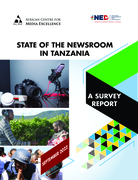
State of the Newsroom in Tanzania: A Survey Report
African Centre for Media Excellence (ACME) (2022), iv, 27 pp.
"This report offers an upstream view of the newsroom in the country. It looks at the newsroom environment and operations. Specifically, it looks at the newsroom staffing, revenue sources, specialisations, in-house training, and quality assurance, as well as the impact of the Covid-19 pandemic on new
...

Journalists' Socio-Economic Rights in Lebanon
Beirut: Samir Kassir Foundation (2022), 20 pp.
"The SKF has launched the first edition of its semi-annual study, tackling the issue of journalists' and media workers' socio-economic rights in Lebanon. In its first section, the report sheds light on the responsiveness of journalists and their interaction with the survey, and the idea behind this
...

Journalists in Tanzania
Worlds of Journalism Study (2017), 6 pp.
"The top six roles, all with means above 4.3 and standard deviations below 1, for Tanzanian journalists, were a mix of those aligned with a liberal press (e.g. promote tolerance and cultural diversity) and those relevant to development journalism (e.g. support national development). “Provide the k
...

Journalists in Russia
Worlds of Journalism Study (2017), 6 pp.
"With regard to professional role orientations, Russian journalists found it most important to report things as they are and to educate the audience. The relevance of these roles was fairly undisputed among the interviewed journalists as the relatively low standard deviations indicate. Likewise, the
...

Journalists in the UAE
Worlds of Journalism Study (2017), 5 pp.
"With regards to professional role orientations, journalists in the UAE found it most important to educate the audience, to influence public opinion, to promote tolerance and cultural diversity, to tell stories about the world, and to support government policy. Still, more than two out of five respo
...

Journalists in Cyprus
Worlds of Journalism Study (2017), 5 pp.
"With regards to professional role orientations, Cypriot journalists found it most important to report things as they are, to provide analysis of current affairs, and, to a lesser extent, to be a detached observer (see Table 1). The relevance of these “classic” roles was fairly undisputed among
...

Journalists in Hungary
Worlds of Journalism Study (2017), 7 pp.
"With regards to professional role orientations, Hungarian journalists found it most important to report things as they are, to be a detached observer, and to provide analysis of current affairs (see Table 1). The relevance of these “classic” roles was fairly undisputed among the interviewed jou
...

Journalists in Thailand
Worlds of Journalism Study (2017), 5 pp.
"A majority of Thai journalists viewed all roles listed in the questionnaire as very or extremely important. The roles that ranked highest included to report things as they are (88.7%), to provide analysis of current affairs (85.5%), and to be a detached observer (82.1%) (see Table 1). There was lit
...

Journalists in Egypt
Worlds of Journalism Study (2017), 5 pp.
"Egyptian journalists' most important role orientations are to be a detached observer, to report things as they are, to provide information people need to make political decisions, to let people express their views, to motivate people to participate in political activity, and to provide analysis for
...

Journalists in Brazil
Worlds of Journalism Study (2017), 6 pp.
"With regards to professional role orientations, Brazilian journalists found it most important to report things as they are, to promote tolerance and cultural diversity, to be a detached observer, to let people express their views, and to provide analysis of current affairs (see Table 1). These resu
...

Journalists in Oman
Worlds of Journalism Study (2017), 6 pp.
"Regarding professional role orientations, journalists in Oman found it most important to be detached observers, to advocate for social change, to support national development, to provide analysis of current affairs, to provide the kind of news that attracts the largest audience, to influence public
...

Journalists in Colombia
Worlds of Journalism Study (2017), 6 pp.
"With regards to how Colombian journalists reportedly viewed their professional purpose/role, they found it was most important to report news accurately, to provide analysis of current affairs, to promote tolerance and cultural diversity, to promote social change, and lastly, to educate the audience
...

Journalists in Chile
Worlds of Journalism Study (2017), 6 pp.
"With regards to professional role orientations, Chilean journalists found it most important to report things as they are and to provide analysis of current affairs. The relevance of these “classic” roles was fairly undisputed among the interviewed journalists as the relatively low standard devi
...

Journalists in Bulgaria
Worlds of Journalism Study (2017), 6 pp.
"With regards to professional role orientations, Bulgarian journalists found it most important to report things as they are, to educate the audience, to provide analysis of current affairs, to be a detached observer, and to let people express their views (see Table 1). It is notable that a very high
...

Journalists in Turkey
Worlds of Journalism Study (2017), 6 pp.
"With regards to professional role orientations, journalists in Turkey believe that reporting things as they are and to be a detached observer are the most important aspects of their work. To provide analysis of current affairs, to let people express their views, to monitor and scrutinize political
...

Journalists in El Salvador
Worlds of Journalism Study (2017), 6 pp.
"With regards to professional role orientations, journalists in El Salvador found it most important to report things as they are, to monitor and scrutinize political leaders, to educate the audience, and to let people express their views. The relevance of these roles was fairly undisputed among the
...

Journalists in Albania
Worlds of Journalism Study (2016), 6 pp.
"Albanian journalists believe their most important professional role is reporting things as they are, being detached observers and providing the kind of news that attracts the largest audience. These functions contrast with the dominant perceived role of journalists in the early 1990s as missionarie
...

Journalists in Mexico
Worlds of Journalism Study (2016), 7 pp.
"With regards to professional role orientations, the vast majority of journalists in Mexico found it extremely or very important to report things as they are, followed in second place by the role of promoting tolerance and cultural diversity, and the role of advocating for social change in third pla
...

Journalists in Kosovo
Worlds of Journalism Study (2016), 6 pp.
"With regards to professional role orientations, Kosovan journalists found it most important to report things as they are, to be a detached observer, to provide analysis of current affairs, and to promote tolerance and cultural diversity. The relevance of these “classic” roles was fairly undispu
...